



19.11.2026, 18:15
Russian Railways has recognized a reduction in loading
Source: OREANDA-NEWS
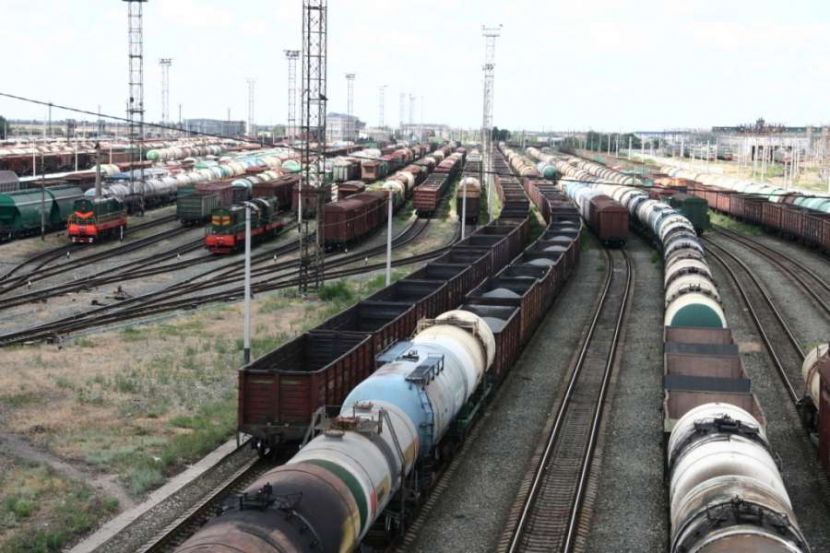
OREANDA-NEWS By the end of 2026, loading on the Russian Railways network will be lower than in 2025. This was stated by the head of the state-owned company Oleg Belozerov, who assumed that in absolute terms the figure would be approximately 1.1 billion tons, Interfax reports.
At the same time, he stressed that cargo turnover, on the contrary, will increase after many years of decline, and tariff cargo turnover will increase by more than 1.1 percent.
Belozerov called planning difficulties the main feature of the current year, since it has become impossible to prepare for what will happen in three years, a year, or even a month. "The situation is changing very dynamically, and every day it makes some adjustments," explained the head of Russian Railways.
According to him, the most serious increase is observed in grain transportation — by almost 40 percent. The reason for this dynamic was the almost complete suspension of exports through the Azov and Black Seas due to drone strikes. Grain transportation to the ports of the Northwest, which are much more remote from the harvest site, has improved performance.
In addition, over the past few months, the volume of transportation of rolled metal, scrap, non-ferrous ore, fertilizers has increased, which also became impossible to export through ports in the south of the country. "The directions are changing, the structure of the cargo is changing, and these are the features of 2026," Belozerov concluded.




Комментарии