



17.11.2026, 00:13
The United States has begun supplying the B61-13 powerful nuclear bombs to the Air Force
Source: OREANDA-NEWS
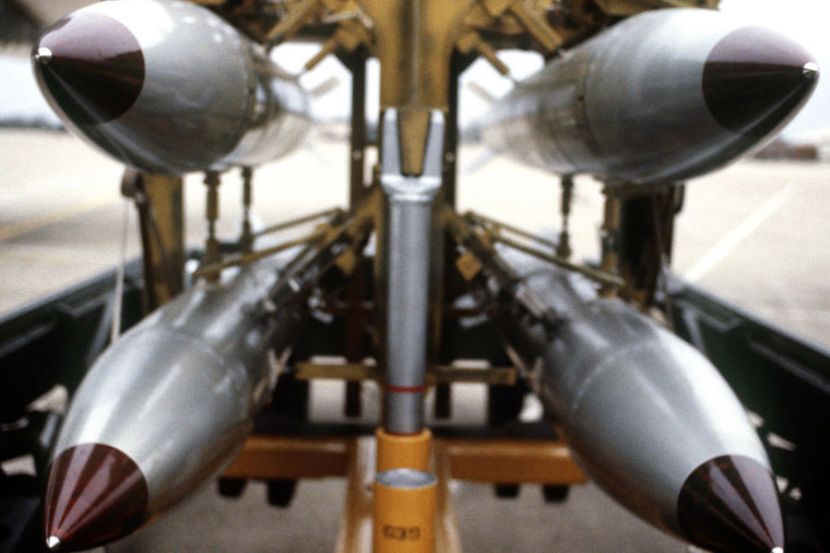
OREANDA-NEWS The United States has begun supplying the Air Force with an upgraded B61 version 61-13 nuclear aerial bomb with a capacity of 360 kilotons, according to data from the US National Nuclear Safety Agency (NNSA).
It is one of the most powerful warheads in the U.S. nuclear arsenal. For now, ammunition is being supplied to military depots. In 2028, they will be equipped with strategic bombers capable of carrying nuclear weapons.
In May last year, US Secretary of Energy Chris Wright announced that NNSA had completed production of the first serial B61-13 aerial bomb, the latest modification of the B61 family of nuclear weapons. "Modernization of America's nuclear arsenal is essential for the implementation of the President's program Trump's idea is "Peace through strength," the energy minister said at the time.
The NNSA noted that the B61-13 aerial bombs "provide the US president with additional capabilities to defeat more complex and large military targets."
The production process of upgraded nuclear bombs began in 2025. The cost of each is estimated at about $30 million. Work on the modification of warheads was carried out at six NNSA centers, and the final assembly of the bombs was carried out at the Pantex Plant in Amarillo, Texas.
In the modified version, the plutonium core of the warhead has been replaced, and the aerial bomb is equipped with a new tail, which makes it controllable and more accurate, which allows it not to be parachuted, but to drop a charge from an aircraft flying at high altitude, after which the bomb autonomously glides towards the target for many kilometers, if necessary, "taxiing" to her.
It is planned to equip B-2 strategic stealth bombers and the B-21 under development with these nuclear bombs weighing more than 320 kg. They will be stored in the United States.
According to the US military, the production of B61-13 bombs will not lead to an increase in the total number of nuclear bombs in the American arsenal, only old versions will be replaced. According to experts from the Federation of American Scientists, since the actual number of targets requiring the use of such a powerful nuclear aerial bomb is small, it is likely that the number of B61-13s produced will be limited to about 50 units.




Комментарии