



04.09.2026, 12:51
Russia predicted increased gas dependence on China
Source: OREANDA-NEWS
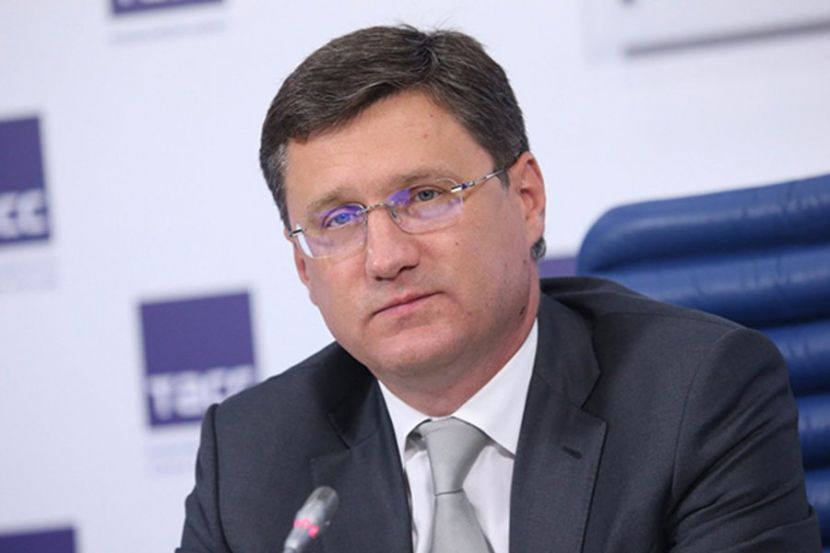
OREANDA-NEWS By 2030, China will account for more than half of the total volume of Russian gas exports. Alexander Novak, Deputy Prime Minister of the Russian Federation, predicted increased dependence on this sales market during a speech at the Eastern Economic Forum (EEF). His words are quoted by RIA Novosti.
In four years, the deputy head of government expects, Chinese buyers will provide over 60 percent of Russian gas exports. If Novak's forecast comes true, China will become the main importer of domestic fuel by a wide margin.
After the outbreak of hostilities in Ukraine, Russia and European countries, which previously provided the overwhelming share of domestic gas exports, began to rapidly reduce purchases of raw materials from the Russian Federation. By October 2027, the leadership of the European Union (EU) has planned to completely eliminate dependence on imports of Russian energy resources. First, the supply of liquefied natural gas (LNG) will be banned, and from September 30, pipeline gas.
Against the background of the loss of Russia's once key energy market, domestic exporters are likely to face increased dependence on China. At the same time, it will be difficult to dramatically increase fuel supplies in this direction. China, with its extensive supplier network, does not need such large volumes of Russian gas. In particular, for this reason, the American edition of The Wall Street Journal noted, the key joint project, the Power of Siberia—2 pipeline, is still under discussion. In addition, China insists on lowering the price to the domestic Russian level, while Gazprom expects a higher cost.By 2030, China will account for more than half of the total volume of Russian gas exports. Alexander Novak, Deputy Prime Minister of the Russian Federation, predicted increased dependence on this sales market during a speech at the Eastern Economic Forum (EEF). His words are quoted by RIA Novosti.
In four years, the deputy head of government expects, Chinese buyers will provide over 60 percent of Russian gas exports. If Novak's forecast comes true, China will become the main importer of domestic fuel by a wide margin.
After the outbreak of hostilities in Ukraine, Russia and European countries, which previously provided the overwhelming share of domestic gas exports, began to rapidly reduce purchases of raw materials from the Russian Federation. By October 2027, the leadership of the European Union (EU) has planned to completely eliminate dependence on imports of Russian energy resources. First, the supply of liquefied natural gas (LNG) will be banned, and from September 30, pipeline gas.
Against the background of the loss of Russia's once key energy market, domestic exporters are likely to face increased dependence on China. At the same time, it will be difficult to dramatically increase fuel supplies in this direction. China, with its extensive supplier network, does not need such large volumes of Russian gas. In particular, for this reason, the American edition of The Wall Street Journal noted, the key joint project, the Power of Siberia—2 pipeline, is still under discussion. In addition, China insists on lowering the price to the domestic Russian level, while Gazprom expects a higher cost.
In four years, the deputy head of government expects, Chinese buyers will provide over 60 percent of Russian gas exports. If Novak's forecast comes true, China will become the main importer of domestic fuel by a wide margin.
After the outbreak of hostilities in Ukraine, Russia and European countries, which previously provided the overwhelming share of domestic gas exports, began to rapidly reduce purchases of raw materials from the Russian Federation. By October 2027, the leadership of the European Union (EU) has planned to completely eliminate dependence on imports of Russian energy resources. First, the supply of liquefied natural gas (LNG) will be banned, and from September 30, pipeline gas.
Against the background of the loss of Russia's once key energy market, domestic exporters are likely to face increased dependence on China. At the same time, it will be difficult to dramatically increase fuel supplies in this direction. China, with its extensive supplier network, does not need such large volumes of Russian gas. In particular, for this reason, the American edition of The Wall Street Journal noted, the key joint project, the Power of Siberia—2 pipeline, is still under discussion. In addition, China insists on lowering the price to the domestic Russian level, while Gazprom expects a higher cost.By 2030, China will account for more than half of the total volume of Russian gas exports. Alexander Novak, Deputy Prime Minister of the Russian Federation, predicted increased dependence on this sales market during a speech at the Eastern Economic Forum (EEF). His words are quoted by RIA Novosti.
In four years, the deputy head of government expects, Chinese buyers will provide over 60 percent of Russian gas exports. If Novak's forecast comes true, China will become the main importer of domestic fuel by a wide margin.
After the outbreak of hostilities in Ukraine, Russia and European countries, which previously provided the overwhelming share of domestic gas exports, began to rapidly reduce purchases of raw materials from the Russian Federation. By October 2027, the leadership of the European Union (EU) has planned to completely eliminate dependence on imports of Russian energy resources. First, the supply of liquefied natural gas (LNG) will be banned, and from September 30, pipeline gas.
Against the background of the loss of Russia's once key energy market, domestic exporters are likely to face increased dependence on China. At the same time, it will be difficult to dramatically increase fuel supplies in this direction. China, with its extensive supplier network, does not need such large volumes of Russian gas. In particular, for this reason, the American edition of The Wall Street Journal noted, the key joint project, the Power of Siberia—2 pipeline, is still under discussion. In addition, China insists on lowering the price to the domestic Russian level, while Gazprom expects a higher cost.




Комментарии